

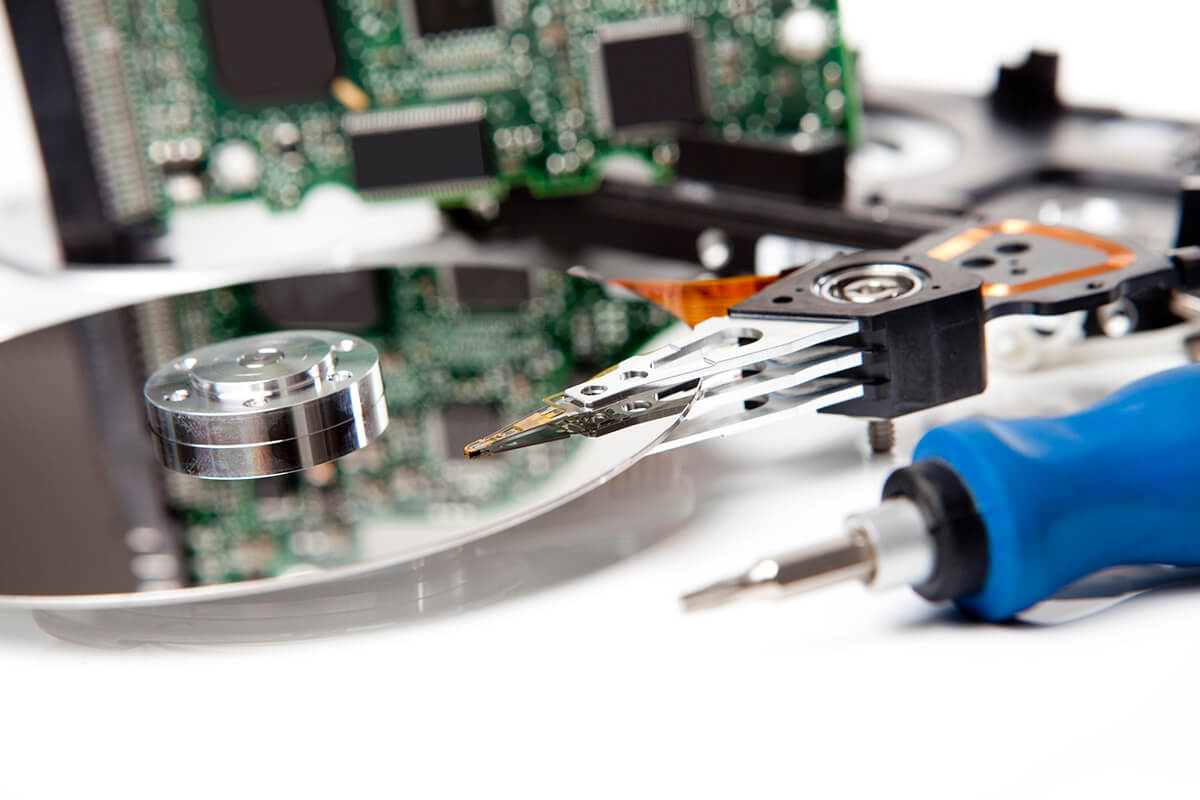
When your hard drive becomes unresponsive, it’s easy to assume it’s gone for good. You may hear strange vibrations or clicking noises when trying to boot up your computer, and soon after, the attempt to start may fail altogether, leaving the data on the hard drive inaccessible. If this happens, it’s understandable to worry about losing your valuable files forever. However, all hope isn’t lost—data recovery from a dead hard drive is still possible.
In this guide, we’ll walk you through the process of hard drive data recovery, including how to recognize if your hard drive is dead, what software can help you recover your data, and some tips for improving the chances of a successful recovery.
Understanding Hard Drive Failures
Before diving into recovery methods, it’s essential to understand the common reasons why hard drives fail. These include:
1. Mechanical Failures
Mechanical failures occur when the physical components of the hard drive stop functioning properly. These failures can result in issues like head crashes, spindle motor problems, or disk platter damage.
2. Human Error
Accidental file deletion, improper handling of the drive, or making incorrect changes to settings can lead to data loss.
3. Logical Failures
Logical failures are often caused by software errors, corruption, or issues with the file system, making the data on the drive inaccessible but not physically damaged.
4. Virus or Malware Attacks
In some cases, viruses or malware can damage the hard drive’s files, making them unrecognizable or unrecoverable.
5. Firmware Failures
A malfunction in the hard drive’s firmware can cause the device to stop working, but the data may still be recoverable with the right tools.
How to Tell If Your Hard Drive Is Dead
If your hard drive is unresponsive, there are a few signs to watch for that indicate it might be dead:
- Strange Noises: Clicking, grinding, or beeping sounds coming from the hard drive often point to physical failure of the components.
- Failure to Boot: If the computer fails to boot up or freezes during startup, it could indicate a problem with the hard drive.
- Corrupted Files: Files may be unreadable or corrupted, and the operating system may not be able to recognize the drive.
- Visible Damage: Any visible signs of damage to the drive, such as cracks or physical defects, can indicate that the hard drive is dead.
Warning: If you suspect your hard drive is failing, avoid continuing to use it, as doing so could further damage the drive or overwrite valuable data. The sooner you attempt recovery, the better.
How to Recover Data from a Dead Hard Drive
If you’re facing a dead hard drive, don’t panic. While it may seem like an impossible situation, many data recovery solutions are available. Below are the steps you can follow to recover data:
Step 1: Evaluate the Situation
- Check for External Issues: Sometimes the issue may not be with the hard drive itself but with the cables, connections, or power supply. Ensure that all connections are secure and that the drive is properly powered.
- Check for Error Messages: If your system is showing specific error messages, note them down. This can provide clues as to whether the problem is mechanical or logical.
Step 2: Use Data Recovery Software
There are several data recovery programs designed to help recover data from dead or malfunctioning hard drives. Some of the best software for this task includes:
- Recuva: A popular and user-friendly tool for recovering deleted files.
- Disk Drill: Known for its powerful recovery capabilities and ability to handle drives with logical errors.
- EaseUS Data Recovery Wizard: A comprehensive tool with the ability to recover lost or deleted files from damaged hard drives.
- R-Studio: Suitable for advanced recovery, especially when dealing with severe file system corruption.
- Stellar Data Recovery: Offers extensive support for recovering data from physical damage, logical failures, and more.
These tools can scan your hard drive for accessible data, even if it’s no longer visible to your operating system, and attempt to restore the files.
Step 3: Clone the Drive
If the hard drive is making strange noises or showing signs of physical damage, consider cloning the drive first. This will create an exact replica of the drive, allowing you to attempt recovery on the clone instead of risking further damage to the original drive.
Step 4: Seek Professional Data Recovery Services
If the software isn’t able to recover the files or if you’re dealing with a physically damaged drive, you may need professional help. Data recovery services specialize in recovering data from severely damaged hard drives, often using specialized tools and techniques that aren’t available to the average user.
Keep in mind that professional recovery can be expensive, but it’s usually the last resort for files that are irreplaceable.
Tips for Successful Data Recovery
- Stop Using the Drive: The sooner you stop using the drive, the better. Avoid installing software or saving new files, as this can overwrite the lost data, making recovery impossible.
- Use a Different Computer: When using recovery software, connect the dead drive to a different, working computer to avoid further complications.
- Regular Backups: Moving forward, ensure that you have a regular backup strategy in place, such as using cloud storage or external drives, to prevent future data loss.
Conclusion: Prevent Future Hard Drive Failures
Hard drive data recovery is often possible, but it’s crucial to act quickly and carefully. If you suspect that your hard drive has failed, start with data recovery software or consult a professional recovery service if necessary. By following these steps, you can maximize the chances of recovering your files.
Additionally, remember that regular backups are essential to prevent data loss in the future. Consider using cloud storage services or external drives for added protection.