

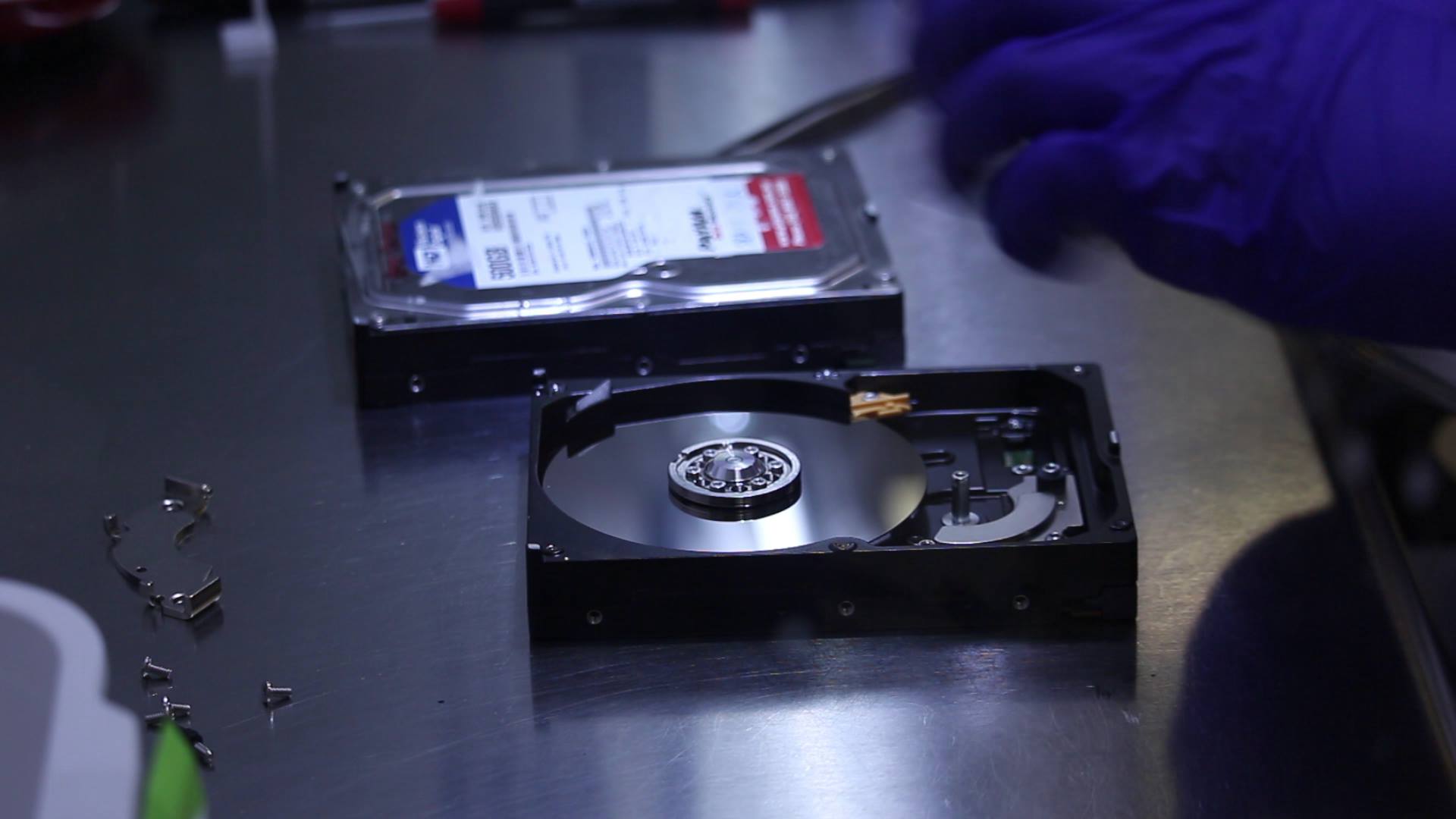
Your internal hard drive can sometimes show signs of fatigue or even sudden failures. It is for this reason that it is important to know how to Data Recovery from your damage hard drives. In this article, we show you the various ways to do it.
It’s a fact, hard drives don’t last forever. That’s why you always have to plan for the worst. And if data recovery can sometimes be complex in the case of physical degradation of hard disks , in other cases, it will be much easier if it is a system crash or a hard disk damage. We will see together the 2 possible cases, which are undoubtedly the most common.
In the first case, your computer was not shut down properly and you lost the last save data. In the second case, your computer no longer starts and you want to recover your data. Several methods are available to you.
In the first case, you can opt for the easiest method which is to use dedicate software like Ease-US Data Recovery Wizard Pro, which currently offer a 50% discount with the code C2L50.
In terms of data recovery software, there are many on the market. Today we introduce to you Ease-US Data Recovery Wizard Pro which is currently offering an attractive 50% discount offer with the code C2L50. Note that data recovery is not reserve for Windows, the Ease-US publisher also offers a data recovery solution for Apple computers: Ease-US Data Recovery Wizard Pro for Mac .
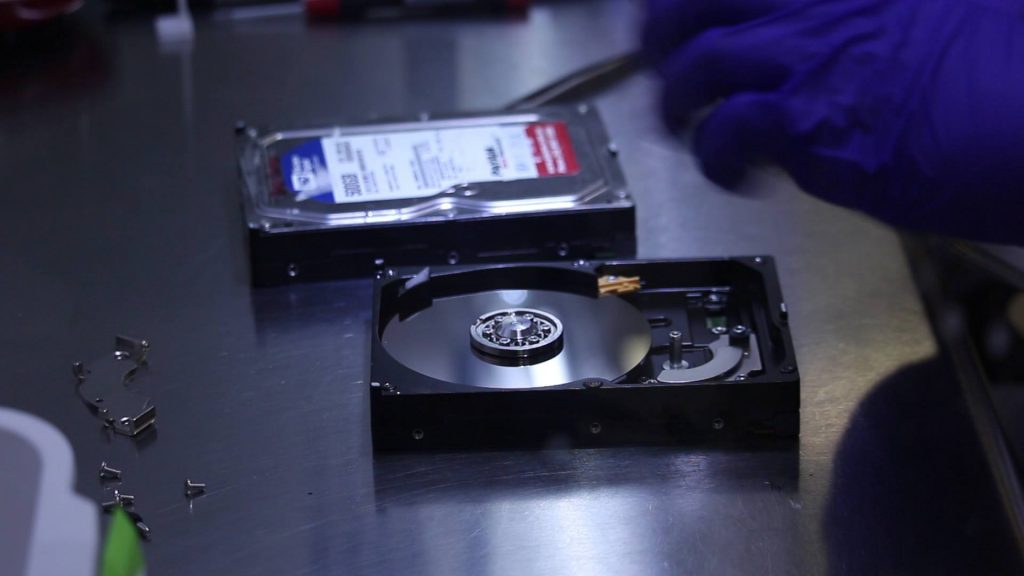
The wizard is very easy to use and this is one of the many advantages of this tool. Select the location where the lost data is locate and let yourself be guide. Then select the delete data to be recovere and save it to an external hard drive or USB flash drive , or any other storage space except the corrupt or faulty one. The other advantage of this software is to integrate a system of preview of the lost files in order to make sure that it is the good data.
Another scenario: not only does your PC not start, but a component or damage means that you cannot recover Twitter data from this PC either. The screen may be broken, the keyboard unusable or the motherboard defective. So many reasons that will force you to remove your hard drive to place it in a healthy support.
This solution is quite simple. The idea is to access your hard drive through a route other than your primary operating system. you will need to remove the hard drive from your PC, fix or portable. This will allow it to be connect to another support such as a docking station, a PC tower, or even to place it in an external box.