

Smartphones are known for their large, bright screens, but unfortunately, these screens are also quite delicate. A simple drop can result in a cracked or shattered screen, rendering your phone unusable. While the immediate instinct may be to repair the screen, sometimes that’s not the best option due to high repair costs or the extent of the damage. In these situations, recovering your important data, such as photos, videos, messages, and contacts, becomes the top priority.
This guide will walk you through how to recover data from a broken Android smartphone, even if the screen is completely destroyed. While there are several methods, they all lead to one key point: backups. Regular data backups—whether to the cloud or external storage—are essential to ensure you don’t lose critical information.
1. Check Your Backup
Before diving into technical methods, check if you’ve already set up a backup system. Cloud services like Google Drive, Google Photos, or Dropbox can automatically sync your data, making it easy to retrieve files remotely.
Recovering from Google Cloud Backup:
- Step 1: Go to Google Drive or Google Photos on your computer and log in using the Google account linked to your smartphone.
- Step 2: Search for the files you need (such as contacts, photos, videos, and documents).
- Step 3: Download the files to your computer for safekeeping.
If you had Google Backup enabled on your Android device, most of your important data, including contacts, calendar events, and app data, might already be stored in the cloud, ready to be restored on a new device.
2. Remove and Access the SD Card
If your smartphone has a microSD card slot, it can be a lifesaver when your screen is broken. Many Android phones store data, such as photos, videos, music, and documents, on the SD card. Even if your screen is cracked, you can still access the SD card to recover your files.
- Step 1: Turn off your phone and remove the microSD card.
- Step 2: Insert the SD card into a different device (such as another smartphone, tablet, or computer) with an SD card reader.
- Step 3: Transfer your files to the device or back them up to another storage medium (e.g., computer, external hard drive).
This is one of the easiest ways to recover files, especially if your phone’s screen is non-functional but the device itself is still working.
3. Use an OTG Cable and Mouse
If your phone’s screen is cracked but still operational, you may be able to use a USB OTG (On-The-Go) cable to connect a mouse to control your device. This method allows you to unlock the device and navigate through the menu to recover your files.
- Step 1: Connect the USB OTG cable to your phone and plug in a USB mouse.
- Step 2: Use the mouse to navigate the phone’s interface, unlocking the device and accessing your files.
- Step 3: Copy your important data to cloud storage or an external device for backup.
This method works well if the device is still responsive but the touch screen is unresponsive due to cracks or damage.
4. Mirror Your Screen Using Software
In cases where the screen is completely unresponsive, you can use screen mirroring apps or software to control your device from a computer. Apps like Vysor or AirDroid allow you to display your smartphone’s screen on your PC or Mac, enabling you to control the phone remotely.
- Step 1: Install Vysor or AirDroid on your computer.
- Step 2: Connect your phone to the computer using a USB cable.
- Step 3: Use the software to access and control your device. From there, you can transfer or back up your data.
This option is especially useful when you cannot interact with the phone’s screen at all but the device itself is still functioning.
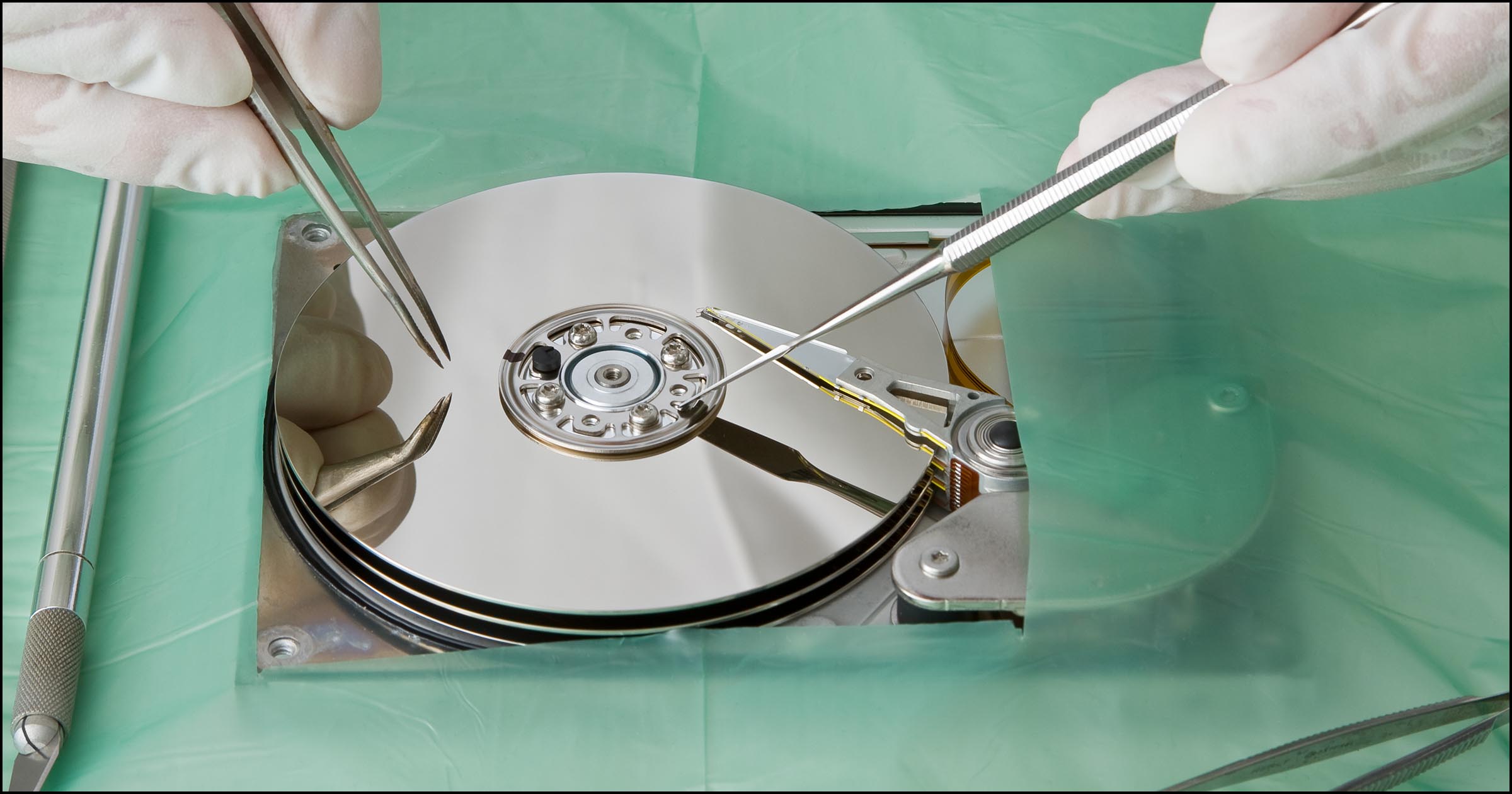
5. Use a Professional Data Recovery Service
If the above methods don’t work or the damage to your device is more extensive (e.g., internal components are damaged or the phone doesn’t power on), your best option may be to use a professional data recovery service. These services have the expertise and tools necessary to recover data from phones that are physically damaged or malfunctioning.
Many data recovery companies offer free diagnostics to determine the chances of recovering your files. They specialize in recovering data from broken phones, including those with damaged screens or other internal failures.
6. Use ADB Commands (For Advanced Users)
For advanced users who are comfortable with technical solutions, Android Debug Bridge (ADB) allows you to interact with your Android device via a command-line interface. If USB debugging was previously enabled on your device, you can use ADB to recover files.
- Step 1: Install the ADB tool on your computer.
- Step 2: Connect your phone to your computer using a USB cable.
- Step 3: Use ADB commands to access the device and copy your files to your computer.
While this is a more complex method, it can be effective if other methods aren’t available or if the screen is completely unusable.
Conclusion
When your smartphone screen breaks, the first thing to do is check if your data has been backed up. Whether through cloud services like Google Drive, removing the SD card, or using a USB OTG cable and mouse, there are several ways to recover your files. If these DIY methods fail, don’t hesitate to contact a professional data recovery service. They can help you recover important data, even from severely damaged devices.
Remember, regular backups—whether to the cloud or external storage—are crucial for protecting your data and avoiding headaches in case of device failure.